Metabolic disease
Metabolic diseases are a group of conditions that interfere with the body’s normal chemical processes, which are essential for converting food into energy and maintaining overall balance. Metabolism plays a crucial role in regulating blood sugar levels, hormone production, fat storage, and energy use. When these processes are disrupted, it can lead to serious health issues that affect multiple organs and systems in the body.
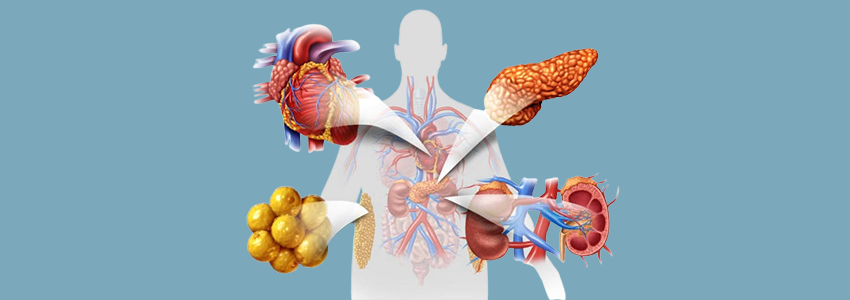
Common metabolic disorders include diabetes, obesity, thyroid disorders, metabolic syndrome, and lipid abnormalities such as high cholesterol. These conditions often develop gradually and may be influenced by genetic factors, lifestyle choices, hormonal imbalances, and environmental influences. Symptoms can vary but may include unexplained weight changes, persistent fatigue, increased thirst or hunger, and difficulty maintaining energy levels.
Effective management of metabolic diseases requires a comprehensive and personalized approach. Dietary modification is a cornerstone of treatment, emphasizing balanced nutrition, portion control, and the consumption of whole, nutrient-rich foods. Regular physical activity helps improve metabolic function, support weight management, and enhance insulin sensitivity. In many cases, medications are prescribed to regulate blood sugar, cholesterol levels, or hormone production.
Lifestyle changes such as stress management, adequate sleep, and smoking cessation are equally important in achieving long-term metabolic health. Regular medical monitoring allows healthcare providers to assess progress, adjust treatment plans, and prevent complications. With early diagnosis, consistent care, and patient commitment, individuals with metabolic diseases can successfully manage their condition and maintain a healthier, more active quality of life.