Infectious Disease
Infectious diseases are illnesses caused by harmful microorganisms such as bacteria, viruses, fungi, or parasites. These organisms can enter the body through various routes and may spread from person to person through direct contact, respiratory droplets, contaminated food or water, insect bites, or exposure to infected surfaces. Infectious diseases range from mild, short-term conditions to severe and life-threatening illnesses, depending on the type of pathogen and the individual’s immune system.
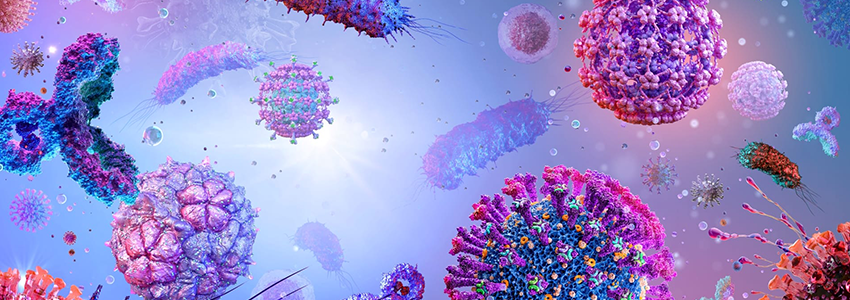
Common examples of infectious diseases include influenza, tuberculosis, COVID-19, hepatitis, malaria, dengue, urinary tract infections, and fungal skin infections. Symptoms may vary widely but often include fever, fatigue, cough, body aches, digestive issues, rashes, or localized pain. Early diagnosis is essential to prevent complications and reduce the spread of infection to others.
Prevention plays a critical role in controlling infectious diseases. Effective preventive measures include vaccination, proper hand hygiene, safe food and water practices, use of protective equipment, and maintaining clean living environments. Public health initiatives and awareness programs also help reduce the risk of outbreaks and protect vulnerable populations.
Treatment depends on the specific cause of the infection. Bacterial infections may require antibiotics, while viral infections are often managed with antiviral medications or supportive care. Fungal and parasitic infections require targeted therapies to eliminate the organism. With timely medical intervention, appropriate treatment, and preventive care, most infectious diseases can be successfully managed, improving patient outcomes and promoting community health.